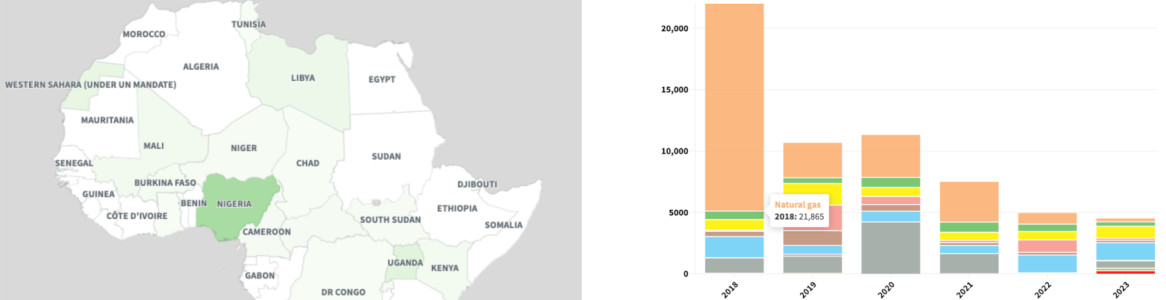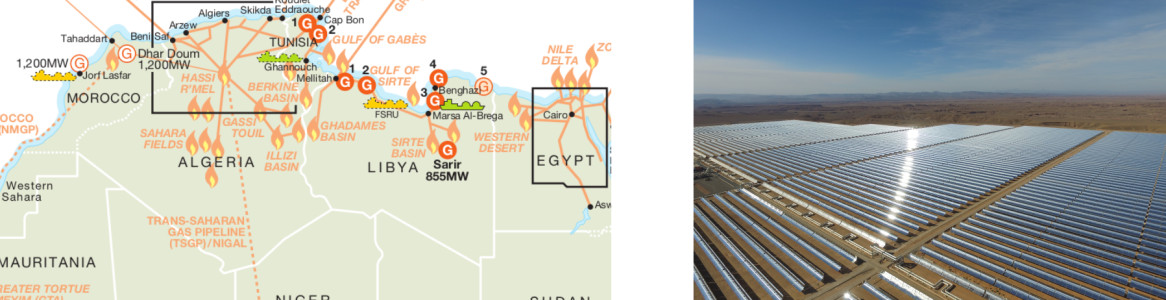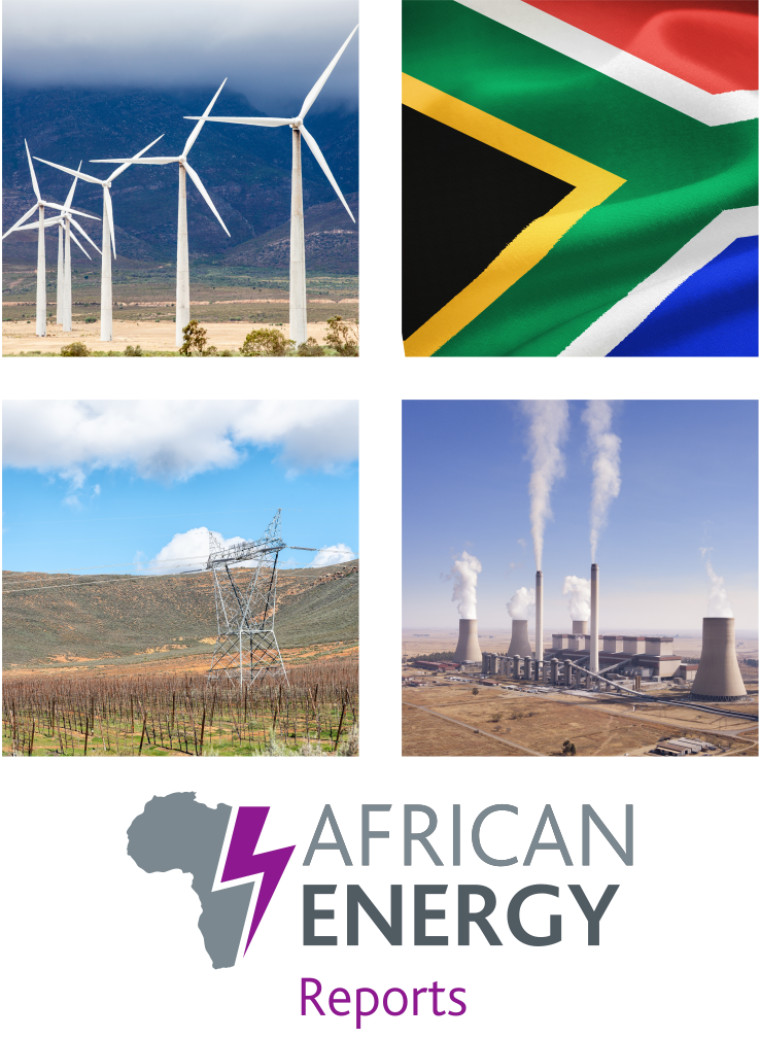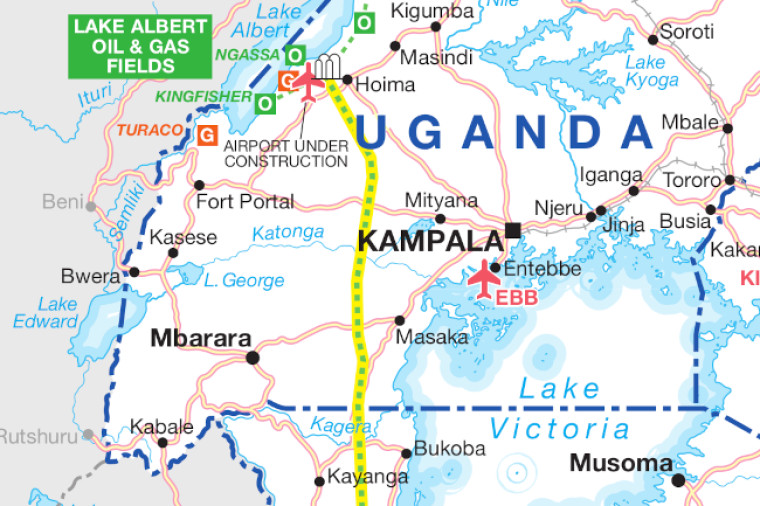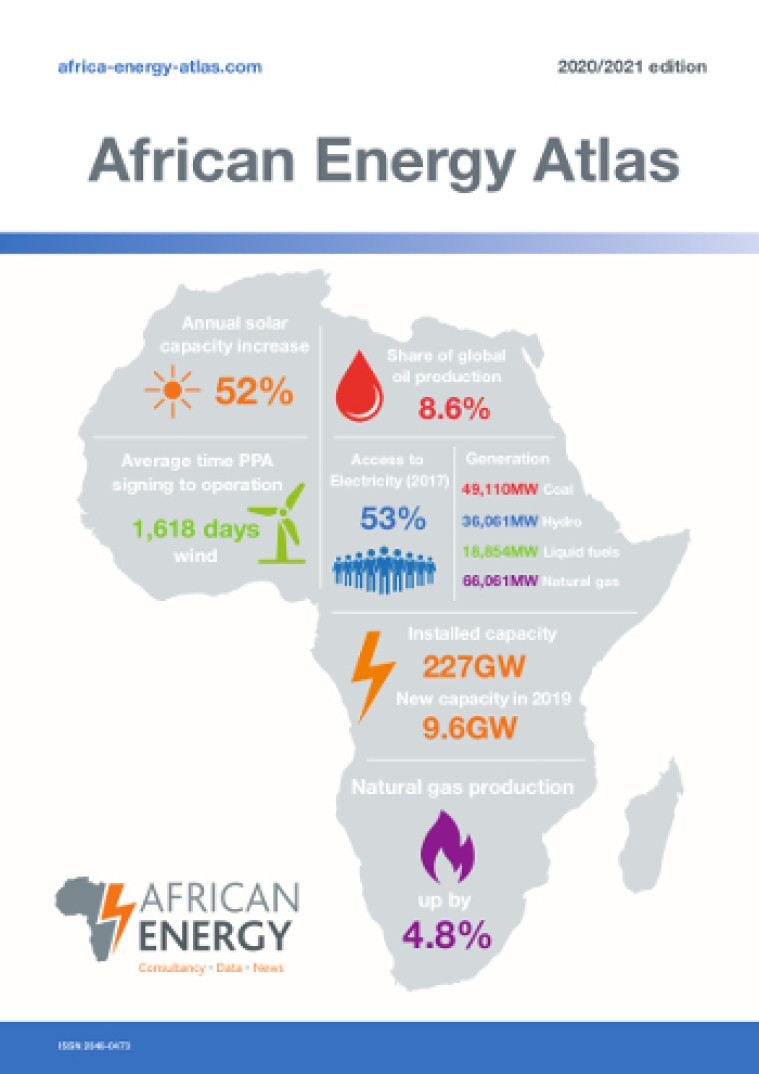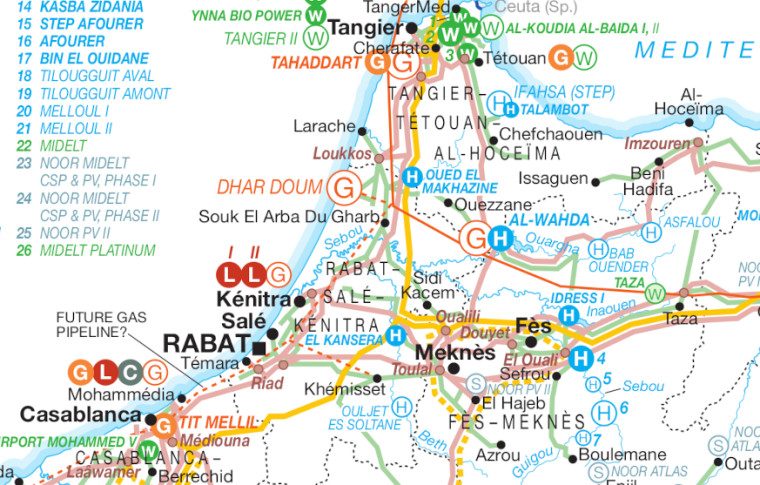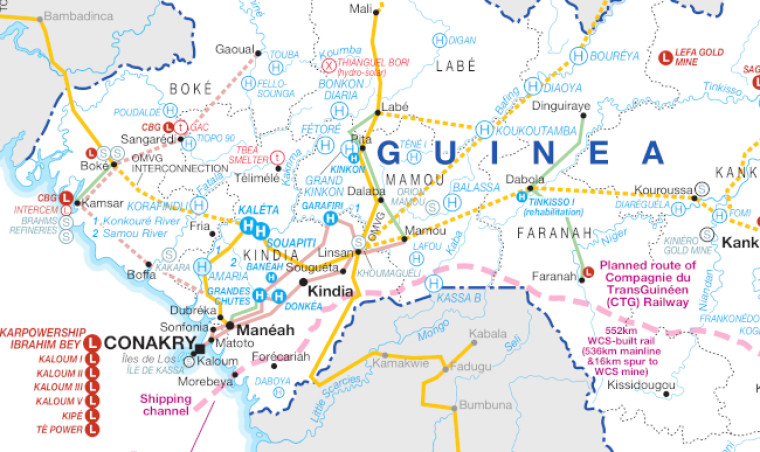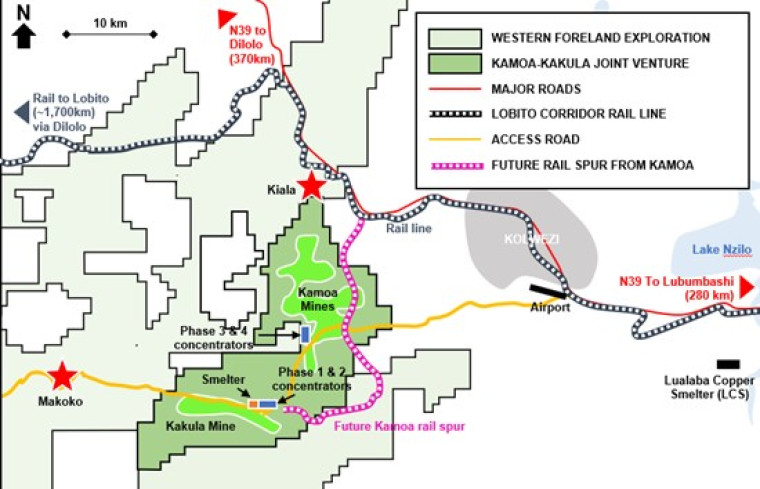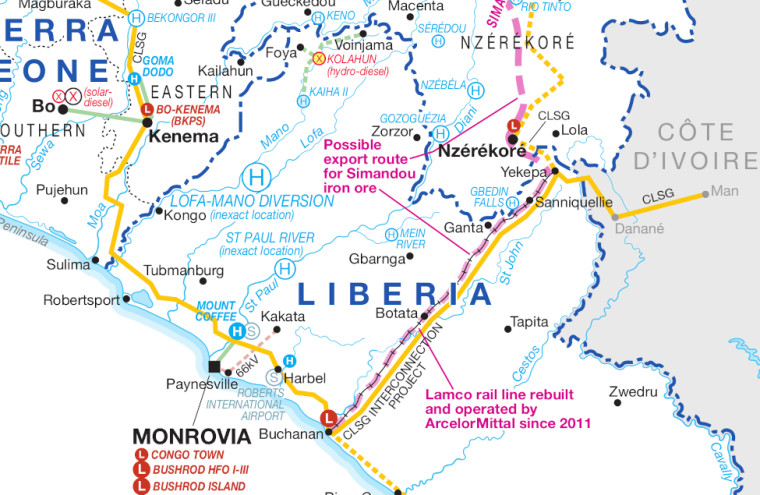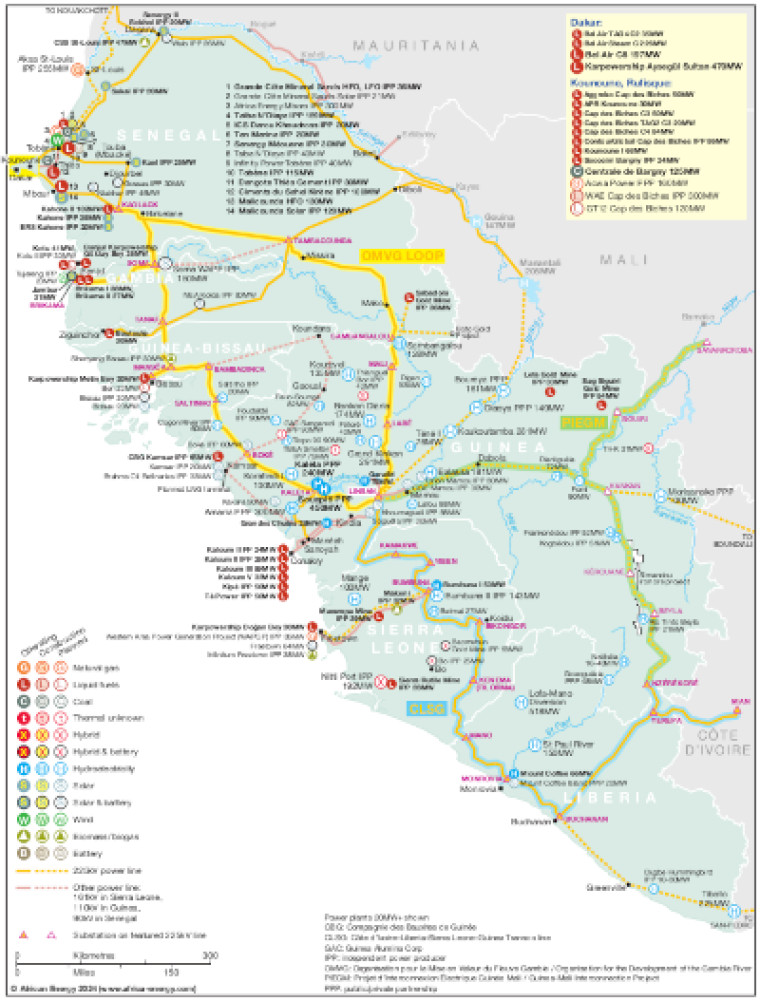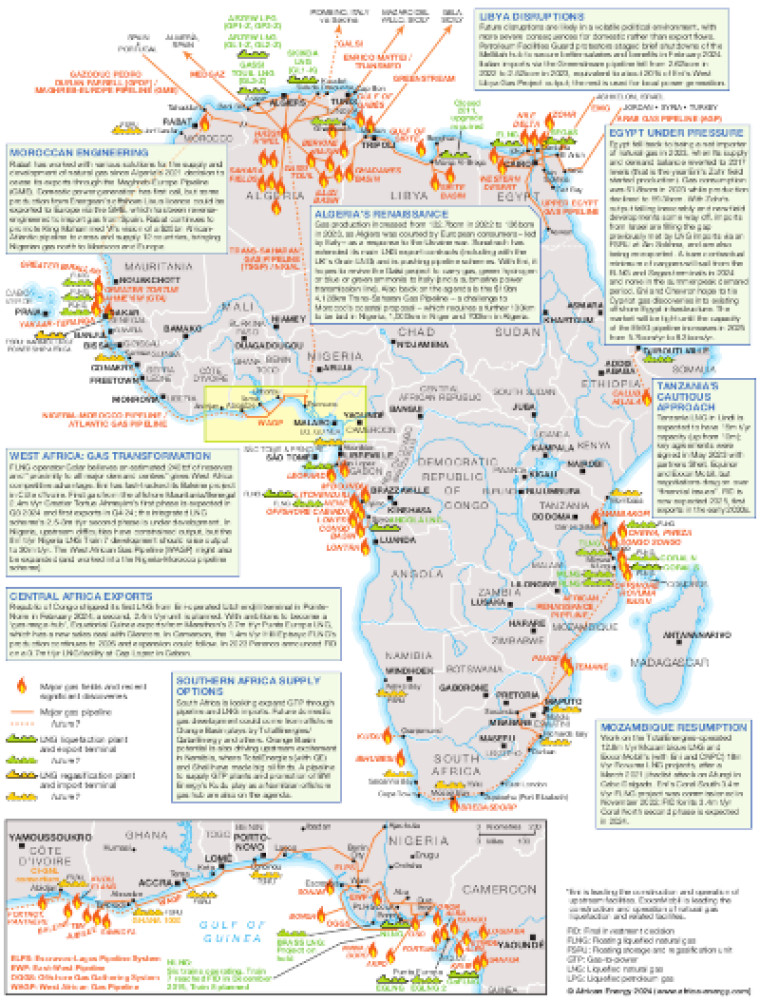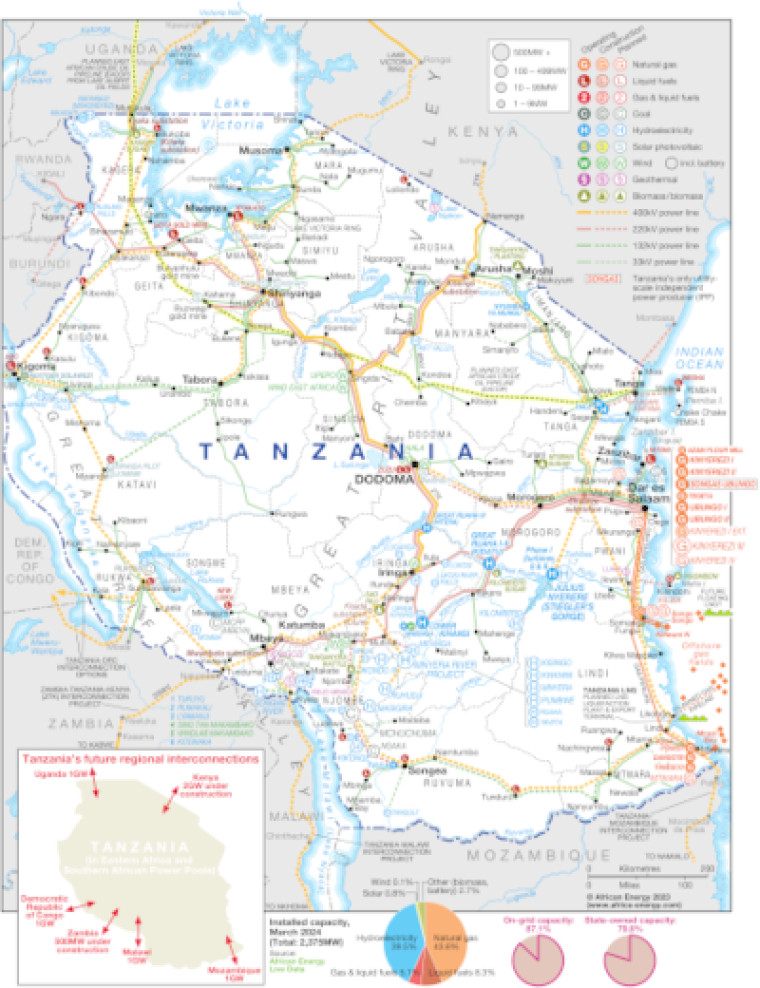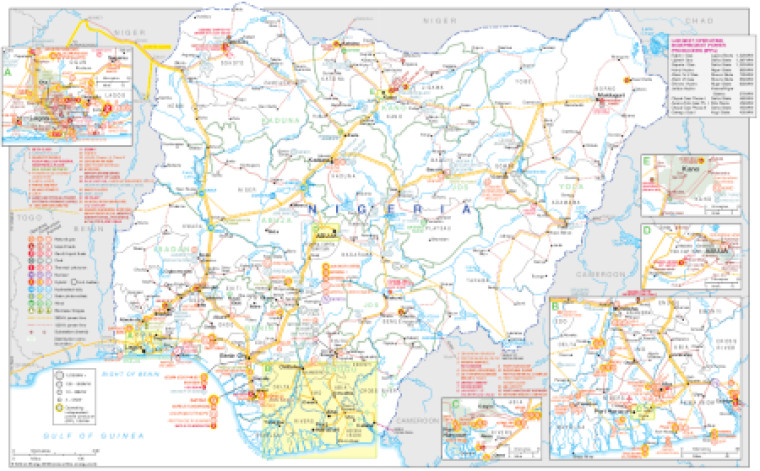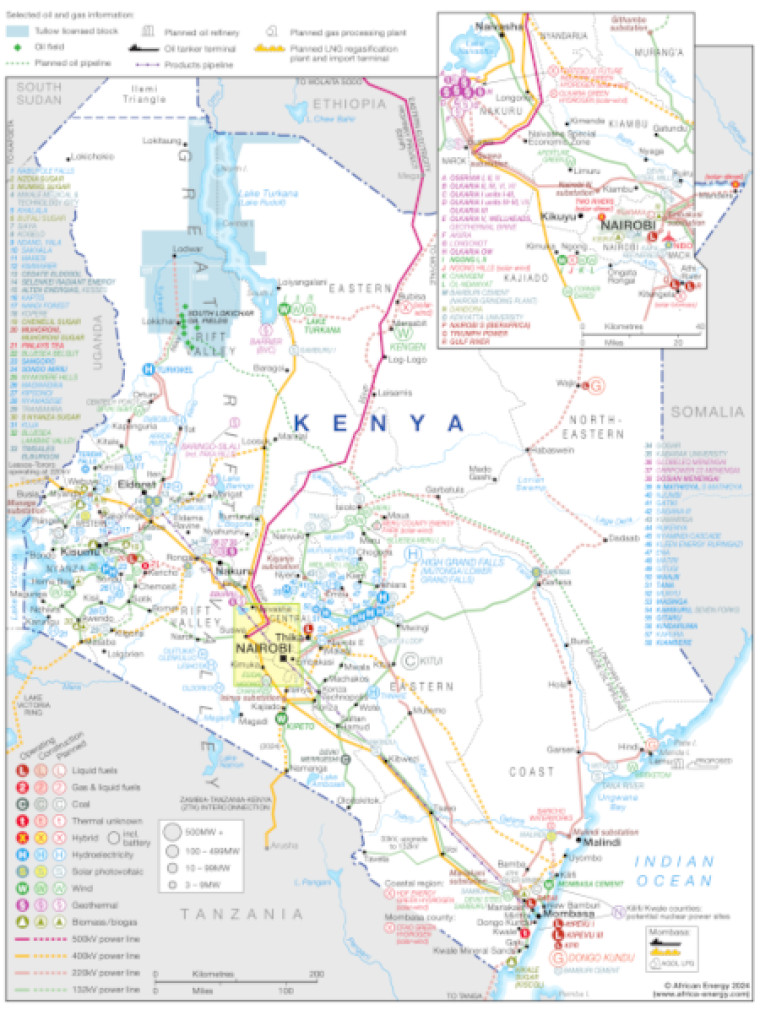

Now in its fifth year, the African Energy Atlas is a 76-page book featuring more than 60 maps and charts drawn with expert care by journalist cartographer David Burles.
The Atlas has become an indispensable resource for all energy industry professionals, policy makers and academics with an interest in the continent. Read more
Briefings and Reports 2
AfricaHardball is an executive dialogue that brings together policy-makers, industry leaders and analysts to discuss the key political issues affecting African markets in frank and open terms.
The next AfricaHardball roundtable will be held on 18 May in London, focusing on North Africa Read more
Briefings and Reports 3
A detailed and frank analysis of Libya’s energy sector
Published in July 2010, Libya's Energy Future provides authoritative, independently sourced analysis of Libya’s energy sector policy and history, examines the country’s governance and financial record and assesses the potential for international partners to do business with its institutions and interest groups.
For more than a decade, African Energy has been the definitive publication analysing and breaking news on the continent’s energy industries.
We hope you enjoy browsing our online information portal. Please note that some of African Energy’s content is available to subscribers only: all items preceded by a padlock symbol () require a subscription to access.
Libya’s NOC plans further production increases amid chaos of transition process
Libya faces stern challenges in coming weeks and months, but despite political uncertainty, administrative chaos and sporadic outbreaks of militia infighting, the energy sector has managed to present a coherent programme for taking oil production beyond 2m b/d in two years’ time and nearly doubling gas production in a four-year period, writes John Hamilton, recently in Tripoli more
Libya: New power management puts sector back on track
Libya will not face power shortages until at least 2015 as the new electricity ministry revives at least three investment projects initiated by the former regime. In an interview with African Energy, deputy minister for electricity and renewable energy Dr Mohamed Ali Ekhlat said “some projects are under construction which will meet demand for the next three to four years”. more
Ghana excited by gas prospects, divided over how to exploit resources
African Energy’s new Upstream update table shows the extent of interest in Ghana’s offshore hydrocarbons play. But a clear blueprint for how those reserves will be used locally remains elusive, and conflicting views of how Ghana should exploit its emerging resources will be more apparent in the lead-up to the December presidential election more
Upstream update: Ghana’s oil rush accelerates
As Tullow Oil and its partners seek to realise the full potential of their discoveries, new players are seeking entry and GNPC is hoping for a more prominent role in exploration more
New player revives Congo’s Sounda dam scheme
As demand from the region’s iron ore and potash mines soars, a new power developer is looking at Republic of Congo’s hydro potential, writes Thalia Griffiths more
Lion Petroleum feels the pressure in Kenya
Although excitement is growing about Kenya’s prospects following an oil discovery by Tullow Oil, smaller players like Lion Petroleum are still finding the going tough, writes Adrian J Browne more
New plants will back Burkina Faso’s access target
After making rapid progress in electrification in recent years, Burkina Faso has set itself another ambitious access target. Energy and mines minister Salif Kaboré told Francois Misser how he plans to meet the challenge
The government of Burkina Faso aims to increase access to electricity to 60% of the population by the end of 2015, from 42% now. more
Egypt cancels Israel gas contract
It was presented by Cairo as a purely business matter when Egyptian General Petroleum Corporation (EGPC) and Egyptian Natural Gas Holding Company (Egas) in late April cancelled their 20-year gas supply contract with Israel, claiming pipeline operator East Mediterranean Gas Company (EMG) had not paid Egas for four months. Security issues were already dogging the pipeline, which has been bombed over 14 times in the year since Israel’s staunch ally president Hosni Mubarak fell from power, forcing Israel Electric Corporation to import costly fuel and raising power prices by around 20%. But the timing of a move EMG called “unlawful and in bad faith” had a distinctly political element. more
Ethiopia: PetroTrans and South West Energy go it alone in the Ogaden
Though recent discoveries across the border in Kenya have put the adjacent Ethiopian southern Tertiary Rift acreage under the spotlight, explorers have also been busy in the Ogaden Basin, the country’s traditional focus of oil exploration in the east (AE 228/3). more
Sub-Saharan economies show ‘new resilience’, but cannot rest easy
Mainstream print and broadcast media are increasingly of the view – thereby making it the prevailing orthodoxy – that growth across sub-Saharan Africa (SSA) is creating a significant emerging market for the next decade. The last decade’s upturn in investment in natural resources, supported by the boom in oil and other commodity prices, has been coupled with long years of ‘structural adjustment’ as advocated by the International Monetary Fund (IMF) to make for stronger SSA economies.
This is reflected in the IMF’s April 2012 World Economic Outlook (WEO), which said SSA had “recorded another year of strong growth and was one of the regions least affected by recent financial turmoil and deterioration in the global outlook… [It] turned in another solid performance in 2011, expanding by about 5%”. Such have been the problems in the global economy that the IMF has had to significantly revise downwards its growth forecasts for 2012. more
Tracking political risk issues in Africa
African Energy's publisher Cross-border Information is a business intelligence company, providing political and commercial risk monitoring, analysis and research services focused on Africa and the Middle East.
If you have interests in Africa and would like more detailed political analysis, please contact: